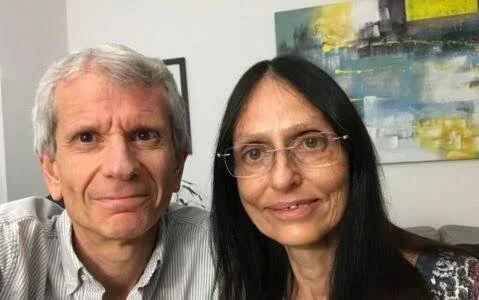
In Memoriam: Isaac Prilleltensky, PhD and Ora Prilleltensky, PhD
/
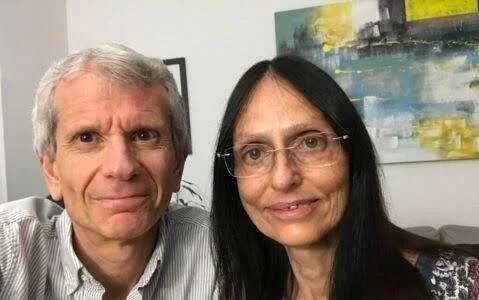
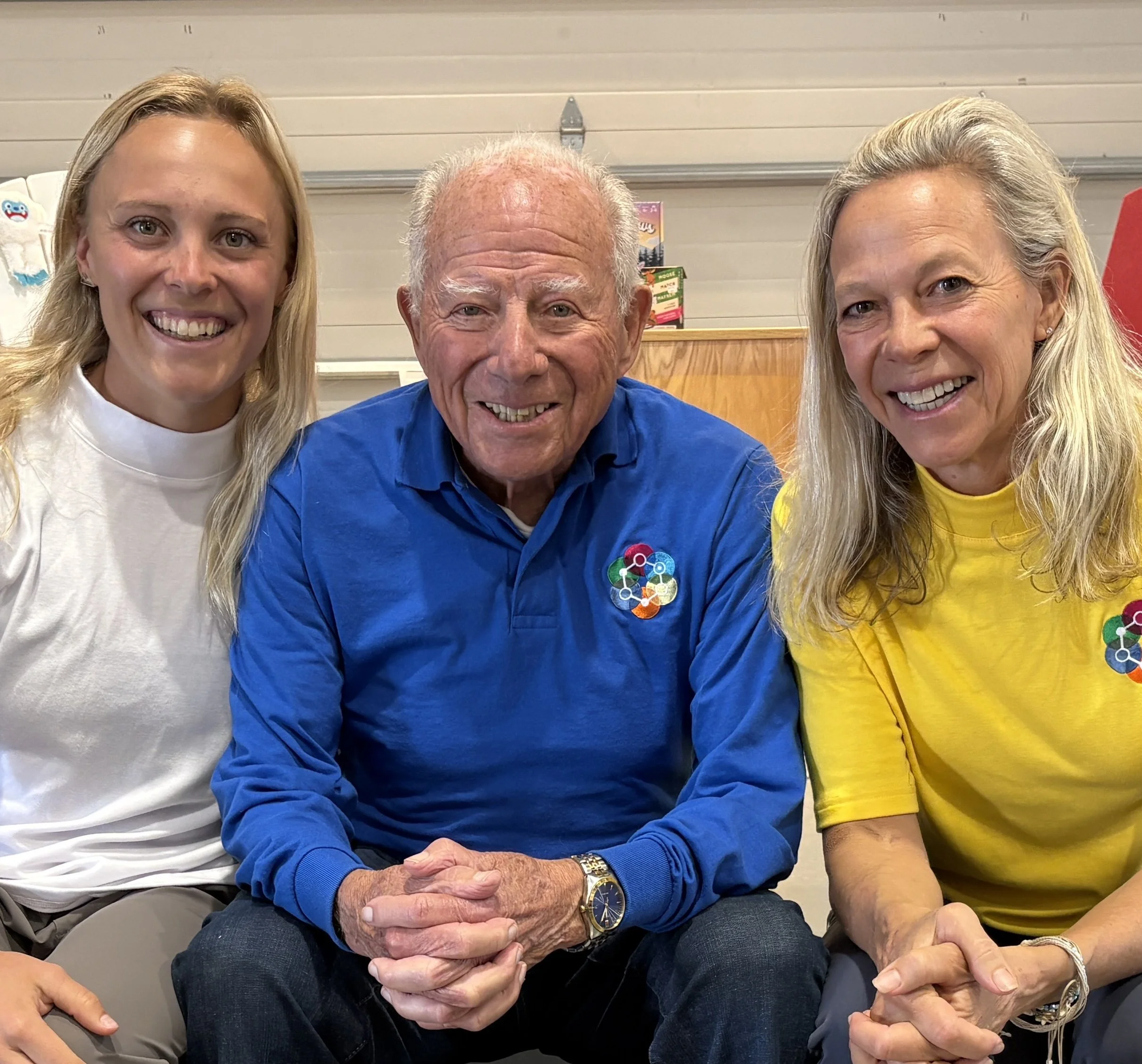
PHOTO FROM FSHD Society
For many of us who came through the MAPP program, the pull of Dr. Isaac Prilleltensky’s work was immediate. He gave us the word mattering, but it was not only the power of his ideas that drew us to him. It was the conviction and humility with which he delivered them, the questions he asked, his clever use of humor, and the unmistakable sense that his scholarship reflected how he actually lived.
He argued that well-being depends not only on happiness or resilience, but on feeling valued and having real chances to add value (Prilleltensky, 2020). The idea changed how many of us understood psychology, education, leadership, and what communities owe the people within them. Its power came partly from the way Isaac personified it. He asked questions and actually waited for the answer, remembered what you had told him, and seemed as pleased about your good news as his own, sometimes more. Anyone who spent time with him came away feeling unreasonably interesting.
Humor was part of the method. Isaac could take a room from laughing to thinking about fairness with no visible seam, opening the door to conversations that might otherwise have felt too big to enter. You would leave one of his talks having laughed, having had an assumption knocked loose, and having quietly decided you were going to do something about it.
That sense of humor never left him, or his wife Ora, even during the most difficult seasons of their lives. As Ora's health declined, Isaac shared with our research group that the two of them had been joking about the famous story of philosopher Jeremy Bentham's preserved body continuing to attend university meetings. Together, they laughed that Isaac would have to wheel Ora into meetings even after she was gone. It was a striking moment. Here were two people facing profound uncertainty and loss, yet still finding ways to laugh together. Their humor did not diminish the seriousness of what they were living through; it was one of the ways they carried it. Even in the hardest season of their lives, they found reasons to laugh together. They did not separate the personal from the professional, or the human from the scholarly. The values they wrote about were the values they lived.
Fairness was not an abstraction. Isaac had been a refugee, which is not a biographical detail you can separate from the work. Displacement was never theoretical to him. He pushed past individual well-being toward the collective kind, challenging a culture organized around personal achievement while relational and communal well-being went underfed. What he wanted were communities where the chance to matter is not rationed out to some people and not others.
That capacity to make people feel seen was not Isaac’s alone. It was woven into the life and work he shared with Ora.
I (Andy) experienced this firsthand when my fiancée, Cindy, and I traveled to Miami to find a place to live before I began the Community Well-Being PhD program. Isaac invited us into the home he shared with Ora.
Isaac had explained that Ora’s energy was low and she had not been feeling well. She lived with facioscapulohumeral muscular dystrophy (FSHD) and spoke openly about the physical and social barriers faced by people with disabilities, insights that helped shape the work she and Isaac shared in their book, How People Matter. Although she encouraged Isaac to continue traveling for his work, he said there was nowhere he would rather be than beside her.
Even so, Ora chose to share some of her limited energy with Cindy and me, joining us at the table in her wheelchair. She and Isaac asked about the move and the program, and Ora gently nudged Isaac about the need for greater student funding. Her concern for the students shone through, as did the commitment she and Isaac shared to putting the needs of others before their own.
Then they turned their attention toward Cindy. They learned that she was a first-generation Chinese American and asked about her childhood, her years working in her family’s restaurant, and her passion for cooking. These were not perfunctory questions asked before redirecting the conversation back to themselves. They listened, followed her answers, and recognized her experiences as profoundly meaningful.
When we left, Cindy turned to me and said, “I don’t know if I’ve ever felt more seen and valued in my life.”
That was Isaac and Ora. Mattering was not something they switched on as scholars. It was how they welcomed people into their lives. They remembered what was happening to you, celebrated what excited you, and connected your experiences to the contribution you might make. In their presence, you did not merely feel that you mattered; you knew it.
As Isaac’s illness progressed, his students, research team, friends, and members of the MAPP community tried to respect his limited time and energy while surrounding him with love. IFAC, short for Isaac Fighting Adrenocortical Cancer, grew into a worldwide network of gratitude, encouragement, and support. Seeing that community gather around him moved Isaac deeply.
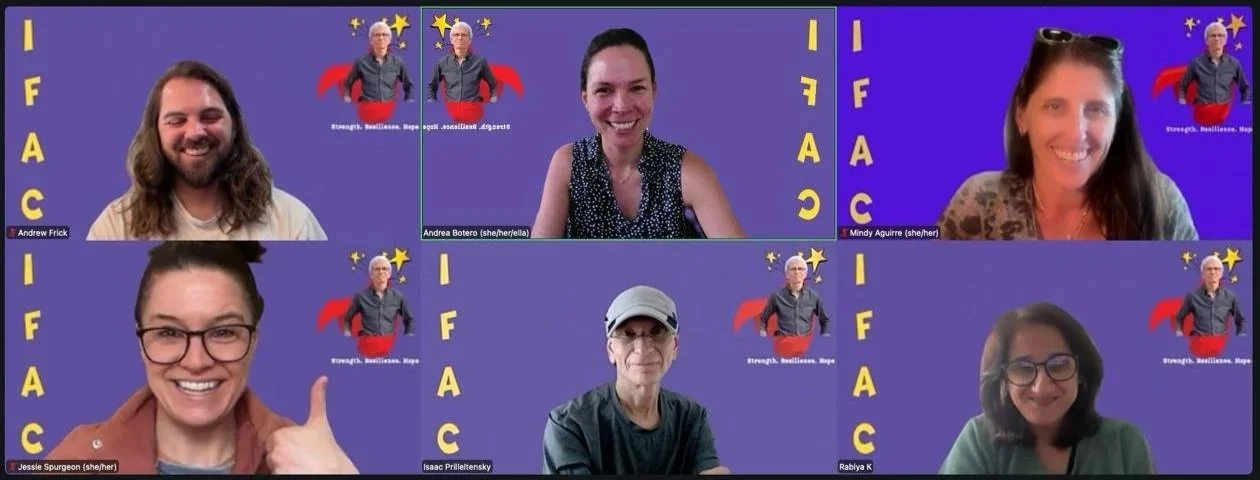
Photo used with permission from RABIYA KARMALI, EDD, MAPP and andrew frick, mapp
Before his passing, we shared these words with Isaac:
“You have profoundly altered the course of our lives. Today, we know that we matter. It is through your work that we have been able, in many ways, to make sense of our lives.”
Isaac gave people more than a theory. He gave language to experiences we had carried but could not name and helped us see greater possibility in what we might contribute.
Ora passed only days after Isaac. Their lives had been so deeply intertwined that remembering one without honoring the other would feel incomplete. They were partners in life and scholarship, joined by a shared commitment to fairness, well-being, and helping others know that they mattered. Their son, Matan, is an accomplished chess player and educator who has devoted his career to teaching and mentoring young people. Ora once wrote with unmistakable pride about the optimism he showed as a young competitor, learning from early losses and returning stronger (Prilleltensky, 2021). It was a glimpse of the persistence and love of learning that would shape his life in chess and education.
During the shiva, as family and friends gathered to mourn Isaac, people across countries, fields, and decades somehow shared the same story. They shared how he always remembered the thing that mattered to you. He followed up months later. He introduced you to the person you needed to meet. He gave you an hour he did not have.
Those stories captured Isaac more fully than any account of his accomplishments could. He cared deeply about transforming communities, but he never let the scale of that ambition distract him from the person in front of him. He wanted communities to be fairer, more loving, and more alive. He could challenge institutions and remember your story, speak urgently about injustice and still make room for laughter. His humanity was not separate from his scholarship. It gave his scholarship life.
We miss him. We miss his warmth that made you feel like the one person he had been waiting to connect with. We miss him cheering us on, celebrating our successes, and interrupting seriousness with a perfectly timed joke. We miss his loyalty and his love of soccer. We are sure he was following Argentina in the World Cup from up there.
Isaac leaves us more than books and ideas. He leaves us the example of a life marked by humility, love, curiosity, a stubborn belief in people, and a determination to build communities worthy of them. Mattering is not simply a concept to understand. It lives in how we teach, lead, listen, and show up for one another. We will miss the way Isaac lived it, and we will spend our lives trying to pass it on.
References
Prilleltensky, I. (2020). Mattering at the intersection of psychology, philosophy, and politics. American Journal of Community Psychology, 65(1–2), 16–34. https://doi.org/10.1002/ajcp.12368
Prilleltensky, O. (2021, March 30). Optimism. Professor Isaac Prilleltensky. https://www.professorisaac.com/mattering/optimism
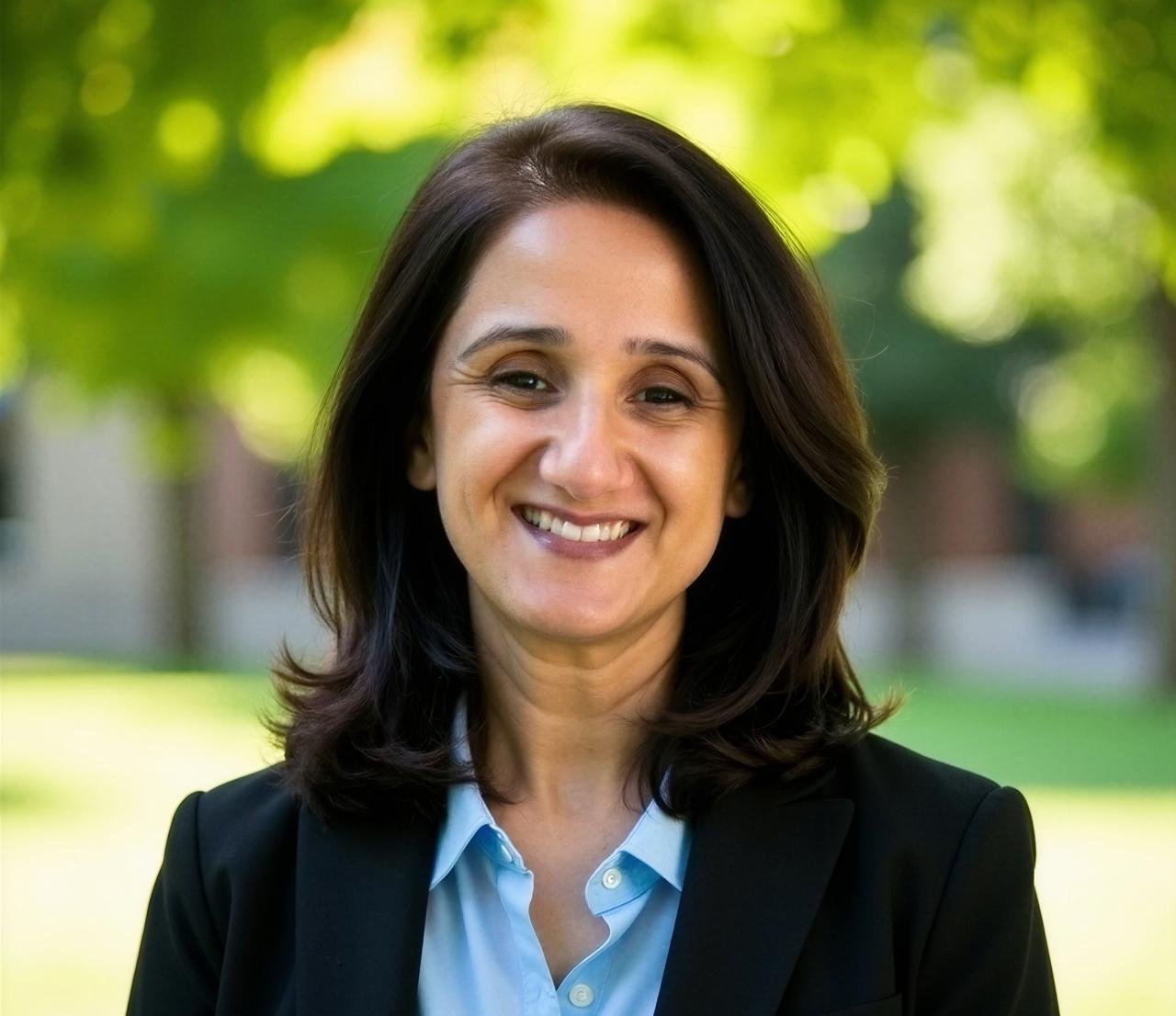
About the authors | Dr. Rabiya Karamali (C’22), EdD, MAPP, is an award-winning educator, published researcher, facilitator, and collaborating researcher with the Mattering Movement. Her work focuses on cultivating cultures of mattering in schools and communities, exploring how people and organizations flourish when individuals feel valued and add value. She regularly translates research on mattering, well-being, and belonging into practical insights through her contributions to Psychology Today.
Drawing on more than 15 years of experience across educational and community settings, she develops curricula, facilitates learning, conducts applied research, and partners with organizations to create more inclusive and meaningful learning environments. She holds a Master of Applied Positive Psychology from the University of Pennsylvania and a Doctor of Education in Community Leadership from the University of Miami.
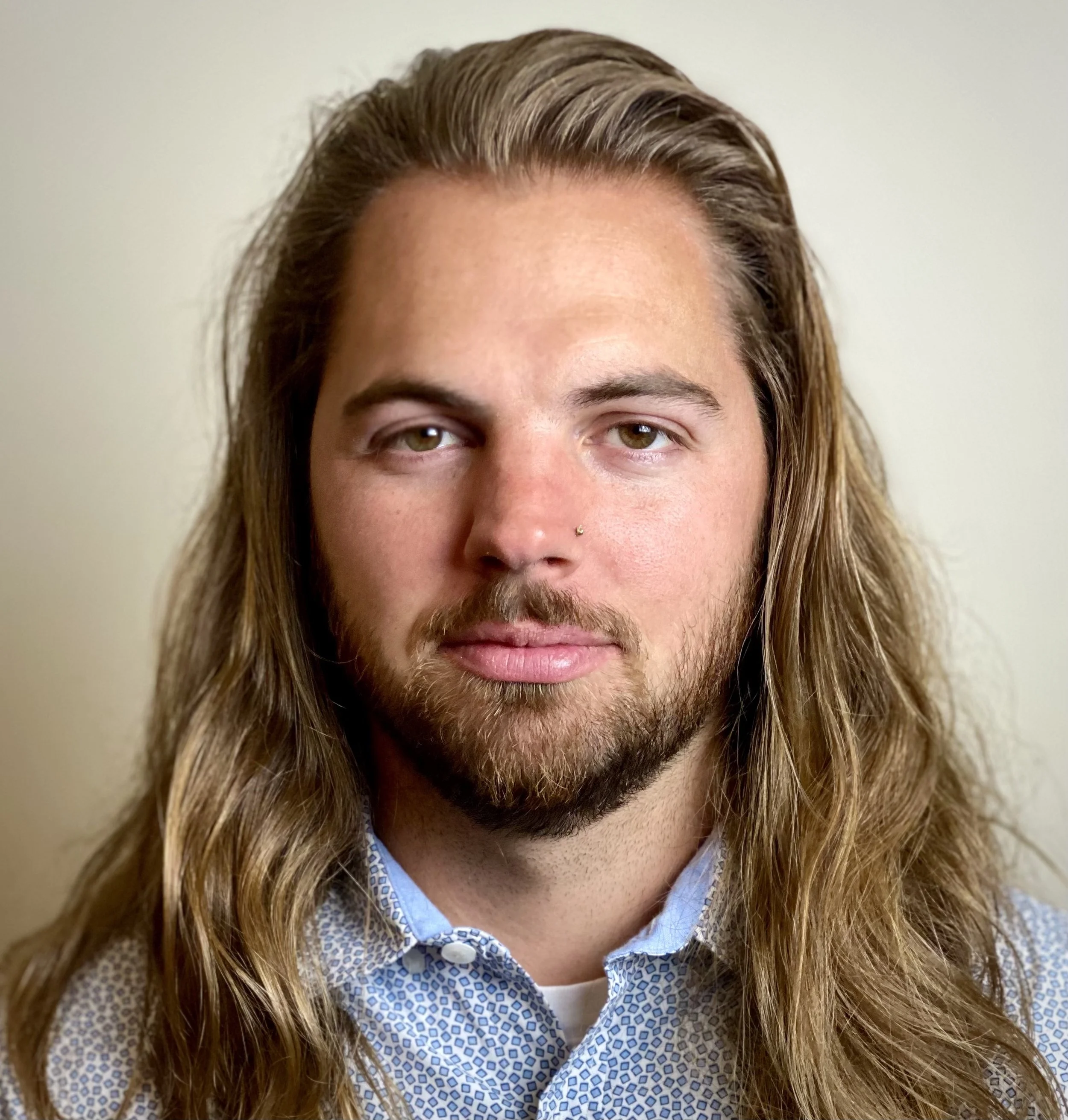
Andrew S. Frick (C’22) is a doctoral student in the Community Well-Being PhD Program at the University of Miami, where he teaches courses on human flourishing, psychosocial change, and well-being. His research focuses on mattering among youth, within addiction recovery communities, and in relation to well-being outcomes across educational and community contexts. Drawing on his experience founding and operating A Place 2B Recovery Housing, he brings an applied perspective to his scholarship. He also serves on the Board of Trustees of IBH Addiction Recovery and holds a Master of Applied Positive Psychology from the University of Pennsylvania.