Grief Does Not Need a Pep Talk; It Needs Presence

Grief Does Not Need a Pep Talk; It Needs Presence

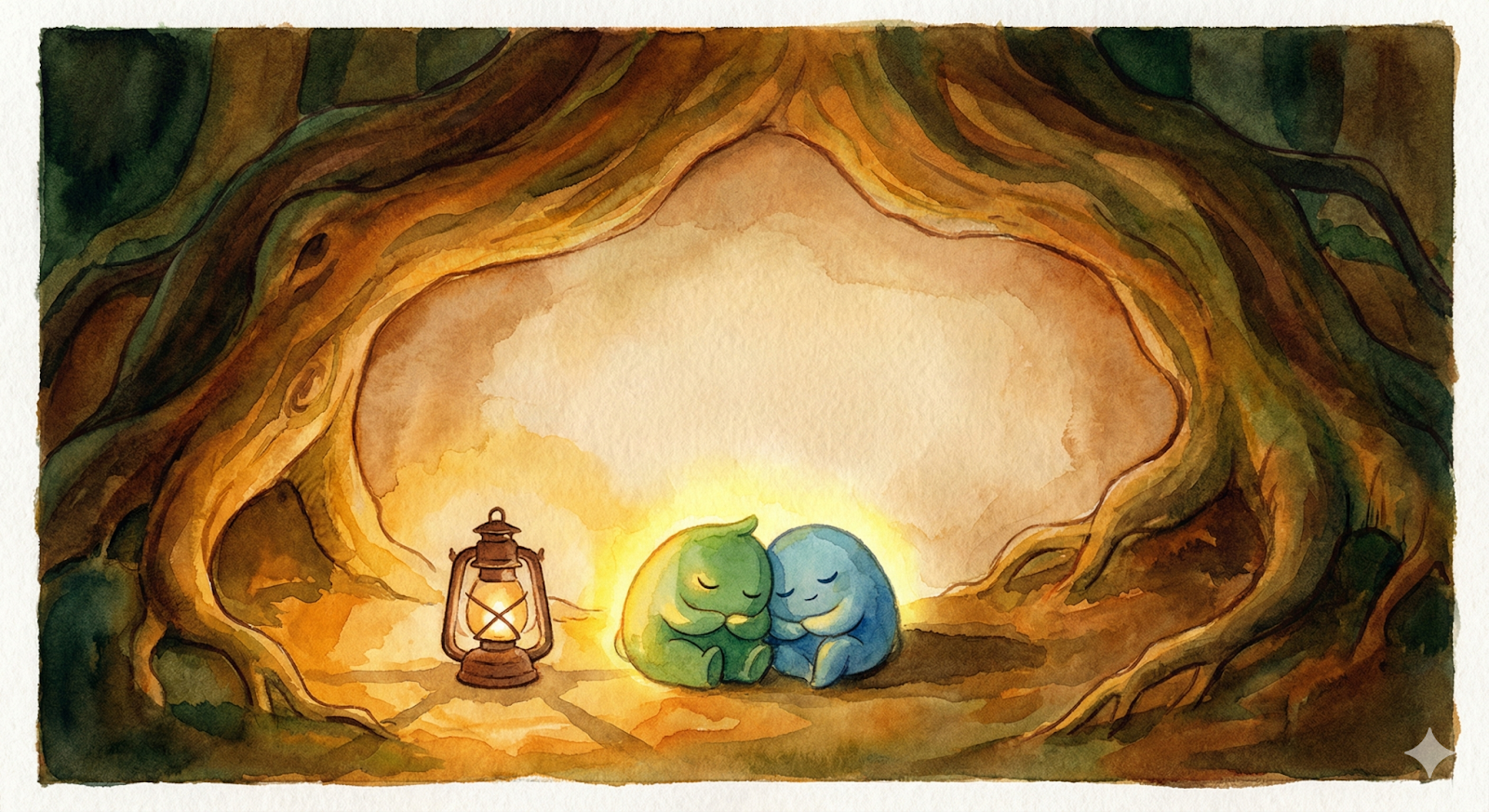
Grief is a universal experience. At some point, each of us will grieve a loss, not only the loss of a loved one, but likely the loss of relationships, identity, health, home, imagined futures, or the worlds we thought we were living in. And yet, Western culture remains profoundly ill-equipped to hold grief, especially when the loss is traumatic or out of order.

Read More

Yes, and Yet: When Joy and Loss Learn to Cohabitate

Yes, and Yet: When Joy and Loss Learn to Cohabitate

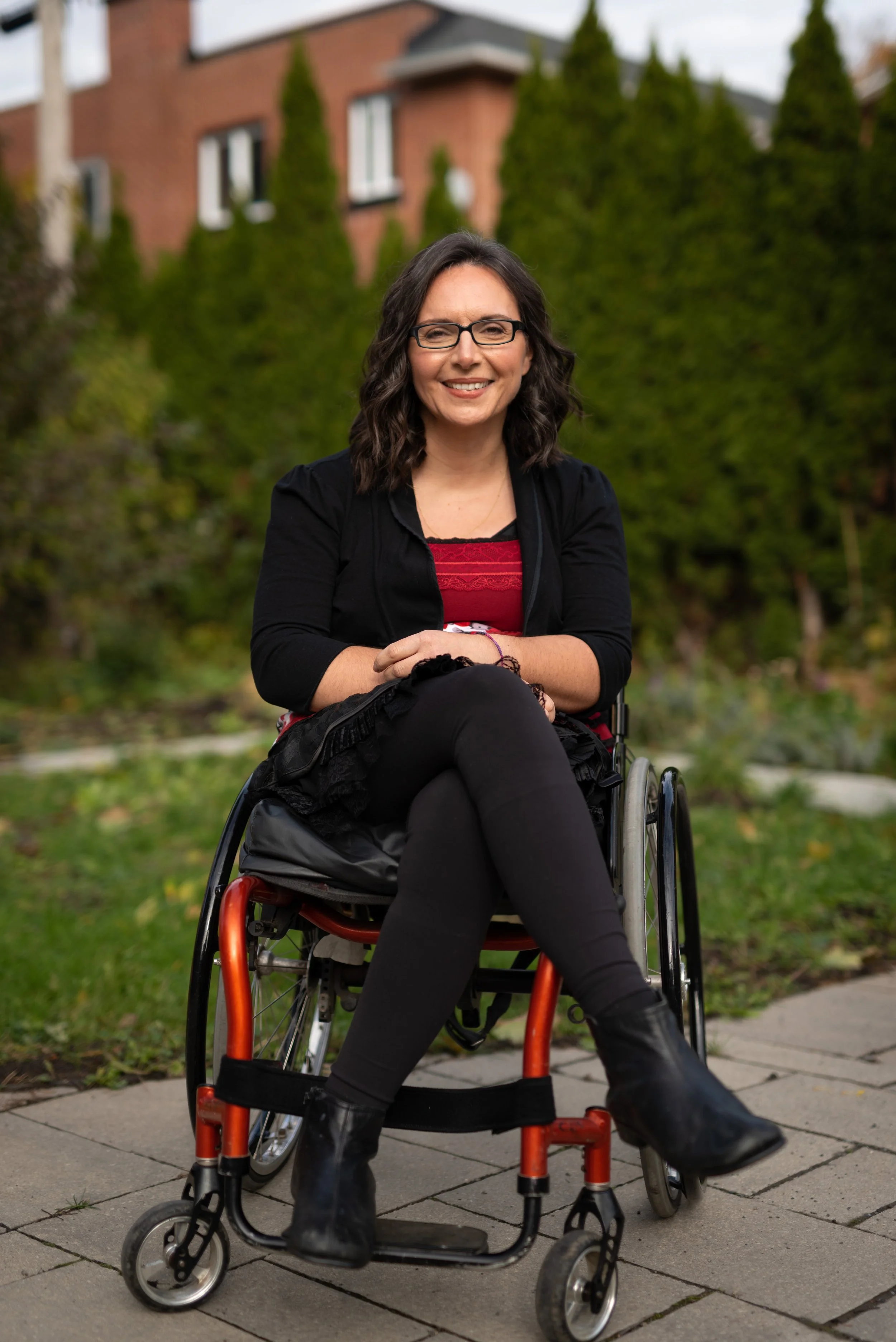
On January 5, 2012, I sustained a spinal cord injury. In a matter of seconds, I lost the ability to control my legs with my brain—a traumatic loss that made me struggle for years. The loss of our bodies and the way they have always worked is comparable to the loss of an intimate partner, as we are changed forever (Clifton, 2014).

And yet, if you ask me, I live a pretty good life.

Read More

Always November: A Conversation with Arik Housley

In this issue of MAPP Magazine, we sought to explore where positive psychology sits beside suffering. To make space at the holiday table for both celebration and lament. When you’ve lost a child or the use of your legs. . . When you’re facing a life-altering diagnosis or life-shattering heartbreak. . . When you’ve lost your way, can barely breathe, and well-meant platitudes and pep talks not only fall short but intensify your pain. . . what then? What does the best in us look like when we’re navigating the worst?

Read More

Running on Half Power: Why Women Burnout and How to Reclaim Alignment

Running on Half Power: Why Women Burnout and How to Reclaim Alignment

Imagine running a power plant at full capacity, day after day, no time for maintenance, no pause to refuel. The lights might stay on for a while, but eventually, even the most resilient system begins to dim. The same is true for women today. Across industries and roles, women are often the central source of energy that keeps families, teams, and communities running. Yet the systems around them rarely replenish what they take.

Read More

She Needs R.E.S.T.: A New Playbook for Women’s Well-Being in the Age of Overwhelm

She Needs R.E.S.T.: A New Playbook for Women’s Well-Being in the Age of Overwhelm

Women of my generation, Xennials, a micro-generation typically defined by birth years from approximately 1977 to 1983, were lied to at a very young age when we were promised that we could “have it all.” However, the data and many of our lived experiences tell a more complicated story. In 2025, signs of strain are flashing red: Women’s labor-force gains have slowed or reversed in key pockets, Black women’s unemployment has jumped, and the rollback of flexible work is squeezing caregivers hardest (Carrazana, 2025; Popera, 2025).

Read More

The True Cost of Female Entrepreneurship: How Female Founders can Flourish in a System not Built for Them

The True Cost of Female Entrepreneurship: How Female Founders can Flourish in a System not Built for Them

Entrepreneurship has often been described as an extreme sport, a psychologically demanding pursuit requiring endurance, courage, and recovery much like that of elite athletes (Chamorro-Premuzic & Wade, 2020). Yet for women, the climb is often steeper. Beneath the familiar headlines about funding gaps lies a quieter story—one about the psychological and emotional cost of building a business in an ecosystem that wasn’t designed with women in mind.

Read More

Financial Thriving: A Positive Pathway for Women’s Financial Well-Being

Financial Thriving: A Positive Pathway for Women’s Financial Well-Being

A historic transfer of wealth is underway, positioning women in a larger role within the global financial system and expanding their influence. Within the next decade, women are expected to control $34 trillion in investable assets, up from roughly $18 trillion in 2023 (Catania & Zucker, 2025). This shift has profound implications that extend well beyond the balance sheet, creating an opportunity to reconsider how changing our view of financial well-being can empower women and enhance their overall well-being.

Read More

In Memoriam: Remembering Hasan Mabry C’22

In Memoriam: Remembering Hasan Mabry C’22

On Saturday, May 3, 2025, 25 MAPPsters representing decades of graduating classes gathered with Yvonne Ross to remember her son, Hasan Tysheem Mabry (C’22), who died on March 18, 2025.

As a proud University of Pennsylvania graduate who attended the Master of Applied Positive Psychology (MAPP) program during the height of the Covid-19 pandemic, Hasan, our classmates, and I initially knew each other only virtually. At first Hasan seemed quiet and reserved. He joined our virtual classroom from a lowly lit room and spoke up only sometimes. We quickly learned that both his voice and his insights were deep.

Read More

Belonging to the Wild: How Nature Connection Nurtures Well-Being

Belonging to the Wild: How Nature Connection Nurtures Well-Being

As I would later come to study in the Master’s of Applied Positive Psychology (MAPP) program at the University of Pennsylvania, these experiences of nature connection are more than poetic; they’re scientifically meaningful. And small intentional interventions can offer us one path forward as we seek to reconnect to the rhythms of nature, noticing the beauty, connection, and love it offers.

Read More

The Ethics of Eudaimonia and the Anthropocene

The Ethics of Eudaimonia and the Anthropocene

There have likely always been fierce debates about what well-being means. When Aristotle opined on the topic a couple of millennia ago, he was writing a treatise about ethics (ca. 350 B.C.E./1994). Some say he was writing to his son, Nicomachus (Natali, 2013). Think of it as a father’s guide on how to live a good life—something worth paying attention to if your father happens to be one of the most influential thinkers in Western civilization.

Read More

On Nature and Meaning: A Conversation with Holli-Anne Passmore, PhD

On Nature and Meaning: A Conversation with Holli-Anne Passmore, PhD

Whether walking home from work on that first warm spring day or taking a trip to a national park, being in nature just feels right. Although environmental psychology has been around for half a century and people have mused over the feelings and experiences of being in nature for even longer, in many ways, positive psychology has only relatively recently ventured into the nature conversation. With the proposed third wave of positive psychology and Mike Steger’s (2025) call for a regenerative positive psychology, more and more of us are considering the role of nature in well-being, especially in this time of climate collapse and environmental degradation. 

Read More

Changing the Game: A Conversation with Paddy Steinfort

Changing the Game: A Conversation with Paddy Steinfort

Referred to by USA Today as “the game changer behind the game changers,” Paddy Steinfort (C’15) is a former professional athlete who has served as advisor and coach to world champion sports teams and MVPs, the US Army, a top emergency-medicine program, world-renown tech and finance executives, and some of the best performers and highest achievers in the world. And yet, people are people, he reminded us in our conversation with him earlier this year. Even the very best of the best can have unhelpful thoughts, beliefs, and feelings that can compromise their performance.

Read More

Strength and Conditioning for the Mind: Leveraging Character Strengths in Mental Skills Training

Strength and Conditioning for the Mind: Leveraging Character Strengths in Mental Skills Training

Mental performance remains a critical differentiator at the highest levels of competition for elite athletes. Traditionally viewed through the lens of psychological skills such as attentional focus, confidence, or emotion regulation, mental performance is also shaped by deeper, stable psychological traits, such as character strengths, which influence how athletes focus, sustain confidence, and manage emotions under pressure. Despite this, the intentional, deliberate, and specific identification, assessment, and development of character strengths has generally been ignored in athlete development processes at all levels.

Read More

Finding Well-Being on the Way to Success: A Conversation with Dan Lerner

Finding Well-Being on the Way to Success: A Conversation with Dan Lerner

Why are some people successful but not happy? Why are others happy and successful? When does passion add to our lives and success, and when does it detract from our overall well-being? If you’ve ever wondered about the connection between success, well-being, and happiness, this conversation with Dan Lerner is for you.

Read More

What Makes Us Great: A Conversation with Gloria Park, PhD

What Makes Us Great: A Conversation with Gloria Park, PhD

In this, the final interview in our special issue on mindset and performance, Gloria Park, PhD (C’05) and I met for one of the best conversations I’ve had in a long time. Dr. Park is Director of Performance Psychology with the Henry M. Jackson Foundation for the Advancement of Military Medicine, a Certified Mental Performance Coach, and fun fact, the first Assistant Instructor in the University of Pennsylvania Master of Applied Positive Psychology (MAPP) program. In this rich and inspiring exchange, she shares her take on the nuances of the “A” in PERMA, Martin Seligman’s model of well-being, as well as strategies to leverage the best within us. Whatever the details, depth, and dimension of the challenges we face, she contends, we’re not only equipped but optimized to face them.

Read More

Changing the Story of Sexuality: A Conversation with Brianna Booth, PhD

Changing the Story of Sexuality: A Conversation with Brianna Booth, PhD

In this issue of MAPP Magazine—which explores thriving sexuality, shifting narratives around reproductive health, as well as new work in developing a comprehensive model of sexual well-being—you can delve into the still-emerging sub-sect of positive psychology, positive sexuality. And in this article, you’ll read excerpts from our moving conversation with Stanford University Director of Positive Sexuality, Brianna Booth, PhD (C’11), who shared with us about her work and the power of storytelling and attunement to help not only to change narratives around sexuality but also to foster intimacy and connection.

Read More

Let’s Throw A Period Party! How Positive Interventions around Reproductive Health Can Shift Narratives and Experiences

Let’s Throw A Period Party! How Positive Interventions around Reproductive Health Can Shift Narratives and Experiences

Every month, nearly 1.8 billion people worldwide menstruate (Rohatgi & Dash, 2023). Menstruation is a normal, healthy bodily function, and it is core to our existence. And yet, it continues to be highly stigmatized and woefully under-addressed in terms of education and support. As such, menstruation is an ongoing source of emotional and physical distress for individuals. The oft-associated shame, embarrassment, confusion, and unmitigated discomfort have powerful downstream effects on health, body image, sexuality, education and opportunities, and overall well-being. How we approach menstruation is indicative of a broader issue around female health disempowerment and requires stigma-defying positive interventions to truly change the tides.

Read More

The Good (Sex) Life: Toward a Fulfilling Sexual Well-Being Model

The Good (Sex) Life: Toward a Fulfilling Sexual Well-Being Model

What are the ingredients for emotional connection during sexual activity (e.g., Blumenstock et al., 2020; Štulhover et al., 2014)? Can we move away from the black-and-white, good-or-bad perspectives and investigate the nuances of how casual sex impacts partners’ mental health (e.g., Kaestle & Evans, 2018)? How can partners in monogamous marriages and long-term relationships not only keep their sexual spark for one another burning (e.g., Mark & Lasslo, 2018), but thriving (e.g., Ménard et al., 2015)?

Read More

A New Frontier in Positive Sexuality: A Conversation with Vera Ludwig, PhD

A New Frontier in Positive Sexuality: A Conversation with Vera Ludwig, PhD

This fall, we’re at the brink of a new frontier in positive sexuality. So, to wrap this issue and a wonderful year of work alongside positive psychology experts, practitioners, and contributors across disciplines and from around the globe, we’re pleased to share excerpts from our conversation with another trailblazer. Vera Ludwig, PhD. is the new Director of the Human Sexuality and Well-Being Project at the University of Pennsylvania’s Positive Psychology Center. In this interview, she shared her own perspective about positive sexuality and offered an early glimpse into a project that promises to continue to move the field forward.

Read More