Love as a Healing Force
/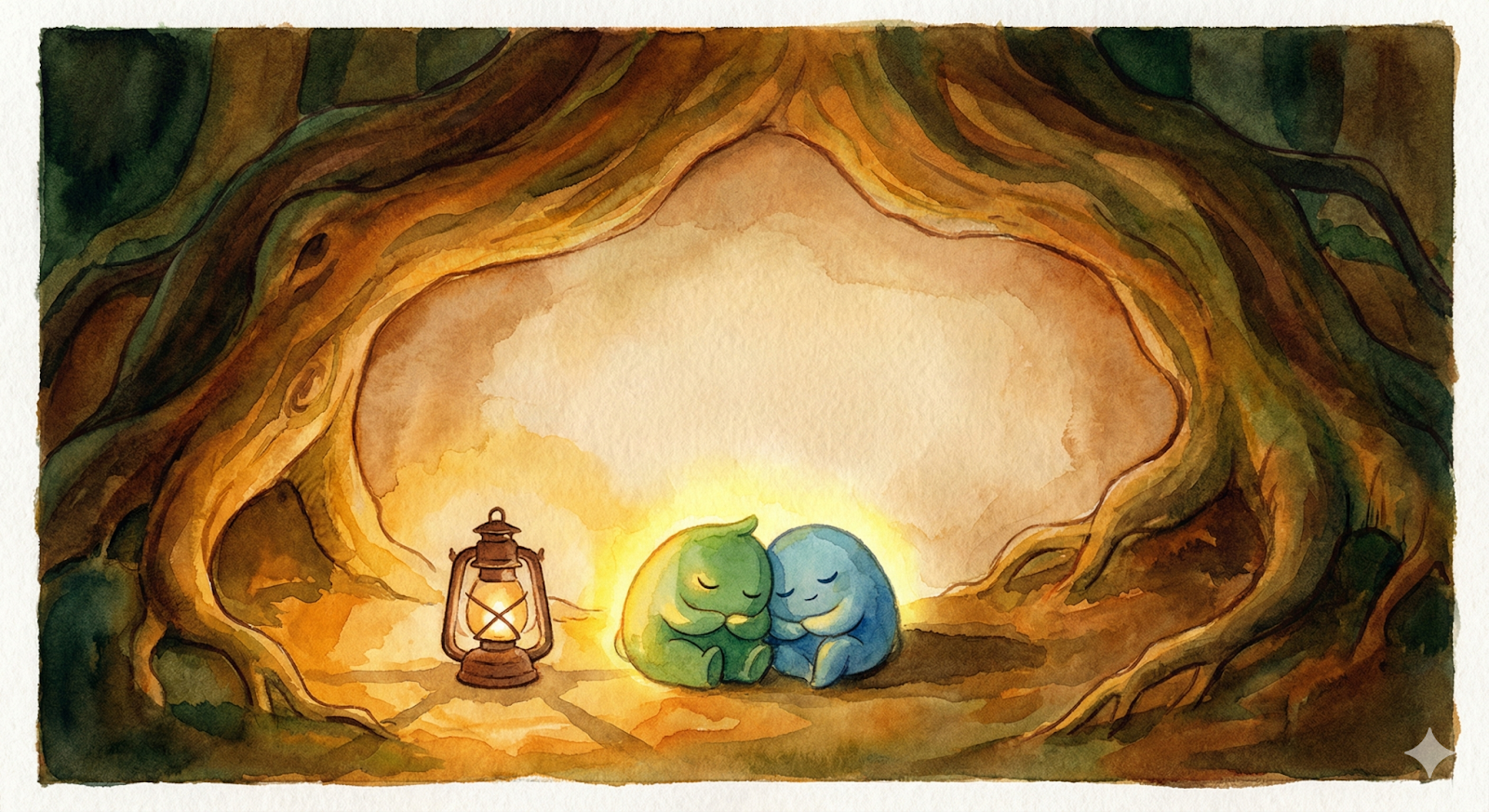
Photo by google gemini
That morning, when I opened my eyes, my body was no longer mine. It was as if I had lost the last bit of control over it. My limbs and my head felt incredibly heavy. I told my husband, “I don’t think I can work today,” with tears streaming down my face. I asked for sick leave. After sleeping for hours, I finally gained the strength to get out of bed. I tried to walk to the bathroom and found that I needed to lean against the wall, taking slow, careful steps just to get there. Little did I know that this would be my reality for the next few months.
I booked an appointment with a doctor. After completing a depression scale, the results showed that my condition was a mixture of anxiety and depression. Caught in this overwhelming physical and mental state, I felt like I was in a dark tunnel with no end in sight.
While professional medical support is crucial to the improvement of depression, the love from my family and friends is what brought me out of the tunnel. They held my hands and walked me through it, with little candles in their hands. Because of their love, the tunnel was not so dark anymore.
Doubts and Confusions
After the diagnosis was confirmed, I felt helpless and terrified that I wouldn't be able to work again. Over the previous months, I had been pushing myself through an intensely demanding work environment. I was struggling under overwhelming pressure and constantly feeling like my efforts weren't enough. Now that I was experiencing shortness of breath, headaches, and a heavy head just thinking about complex tasks, the imposter syndrome hit me hard. Did this prove that I wasn't capable? I was scared. I was terrified of losing my edge and becoming a burden.
What would my family say? Would they be devastated? Would they blame me for being too weak and breaking down? Thinking of my family members’ faces and their possible reactions, my heart sank.
I hated that my mental health was failing, and I worried people might think I was weak. I caught myself thinking that if I had been hit by a car, people would sympathize with me instead of judging me. Physical injuries are visible. Thus, people will see how serious they are: “Ouch, that’s a lot of blood.” But with invisible injuries, which cannot be seen by the eyes and cannot be shown on any X-ray report, people may simply ask: “Is it really that serious?”
However, I later learned that my physical collapse was not a sign of personal weakness, but a documented medical reality. Research confirms what I experienced, that depression carries profound somatic consequences, significantly altering biological mechanisms and causing severe physical symptoms like nausea and exhaustion (Penninx et al., 2013). I wasn't just tired; my body was dealing with a systemic illness.
Love From Family
Right after hearing about my condition, my sister stepped in and began searching for a psychiatrist for me. “I found doctors who have availability right now and offer initial consultations. You just need to call them whenever you feel ready.” With her guidance, I connected with a few professionals and finally found the one who would guide me through my recovery.
I was especially worried about my parents’ reaction. I imagined my mom might feel she had failed me. I imagined my parents would think they should have persuaded me to stay in Taiwan, where I wouldn't have faced such intense setbacks. I was afraid they would say something like, “You should have handled things differently. Why did you let it get this bad?” The fear of disappointing them mixed with the fear of being misunderstood.
I gathered the courage to tell my parents about my symptoms and the immense stress I was under at work. Nothing I had feared came true. Instead of blaming me, they were deeply concerned for my well-being. They recognized that my work environment was taking an unsustainable toll on me and gently urged me to prioritize my health over any job. To protect my own boundaries during this vulnerable time, I sought out an independent psychiatrist outside of my employer's network, ensuring I had a safe, completely private space to heal.
My psychiatrist advised me to stop working and take a medical leave immediately. Finally, I could focus entirely on healing without the paralyzing fear of workplace expectations. Still, the physical toll was heavy. I slept for more than 16 hours a day; my body was completely exhausted and demanded deep recovery. I used to be very active, but now, even a short walk left me out of breath. Nausea made food difficult to eat.
I used to be the one who gathered our family together, but my sister seamlessly took on this role. She would come over to keep me company and take me to places where I felt comfortable eating. She organized video calls with our parents. My parents also gave me space and never pushed me by asking about my recovery progress. All they cared about was my health. There was no blame, only unconditional support. I saw how hard they tried to understand what I needed and to act on it. Their considerations and actions showed how much they loved me. I became more determined to get well. I knew the best way to return their love was to let them see the healthy me again.
Companionship and Daily Acceptance
Another crucial part of my healing was my husband and my dog. My husband constantly reassured me that he did not see my condition as a burden. Looking back, this unconditional emotional support, which research identifies as a critical protective factor for adults facing depression (Gariépy et al., 2016), was my anchor. He viewed my condition as a natural part of life, just another challenging season we would navigate together. As for my pup, he’s not the cuddly type, but he consistently brought his toys to me and nudged me to go outside. Every day, when we woke up, he would lie next to me and look into my eyes. The affection in his eyes assured me that I was still loved. Those simple moments of company were so precious.
Thanks to my husband and puppy, we took a walk every day. No matter how late I slept in, I never missed our daily walks. I could only move slowly, but it was far better than isolating myself indoors. I was getting the gentle movement I needed and soaking in natural sunlight.
My psychiatrist encouraged me to do whatever brought me joy whenever I had the energy: drawing, playing the piano, going to a gentle yoga class, or getting a massage. These weren't just pastimes; they were a form of active self-therapy. Recovery from depression is not merely the absence of illness; it involves actively engendering psychological well-being and regaining mastery over one's life and body (Fava et al., 2007). Every time I engaged in one of these activities, it was a victory.
Removing the Self-Defense Armor
I had a lot of fear about sharing my situation with friends. Perhaps that isolation is just part of the illness. At first, whenever I was in a social setting, I would put on a brave face and act like everything was fine—only to break down later. Eventually, I withdrew and stopped seeing friends for a couple of months. Slowly, fueled by the steady support of my immediate family and my psychiatrist, I gathered the courage to reach out to my close friends in the Bay Area.
To my surprise, after I opened up, my friends shared that they had experienced similar struggles with career burnout and mental health. None of the judgments I had agonizingly anticipated ever materialized. A core principle in Cognitive Behavioral Therapy (CBT) is identifying and challenging negative automatic thoughts and cognitive distortions (Gautam et al., 2020). By verbalizing my fears to my friends, I was unknowingly practicing this therapeutic technique. Sharing my condition became a real-life behavioral experiment that tested my cognitive distortions against reality, allowing me to consciously restructure my unhelpful thinking patterns.
This experience gave me the profound assurance that I could finally take off my self-defense armor. The terrible scenarios I had constructed in my mind never happened, and the anxious narrative in my brain was rewritten in real-time.
I realized that I hesitated to reach out to my friends because I cherished our friendships a lot. Thus, I was afraid to lose our relationships. I was afraid that after hearing about my situation, they would regard me as a worthless and weak person. However, if I didn’t reach out, the distance between my friends and me would only become further. Reaching out to them helped to nurture our friendship. My courage came from love. Fortunately, my friends responded with love and acceptance.
Light in the Darkness
After months of focusing on healing, I have improved immensely. My sleep schedule has normalized, and the heavy fog in my brain has lifted. I feel my cognitive abilities returning to how they used to be. The trust I have in my family and friends has deepened, weaving a safety net stronger than I ever knew I had.
I often say I am lucky. I had the best possible conditions to recover from depression. I was free from immediate financial burdens, received professional medical care, and was surrounded by family and friends who truly loved me. I had the MAPP community. I had my husband and my dog by my side, gently pulling me out into the world each day.
To be honest, it can be hard for a depression patient to believe herself to be lovable. During this time, I realized that the beginning of self-love might be listening to my body and trying to understand what it’s telling me. This is also a form of self-acceptance: being real to myself. I learned not to try to push myself to be something else anymore. Often, I believe others judge me because I judge myself first.
Every recovery from severe burnout and depression is a miracle, and my miracle would not have been possible without the love of the people around me. Each person lit a candle in my dark tunnel, and because of them, I can finally see the light at the other end.
References
Fava, G. A., Ruini, C., & Belaise, C. (2007). The concept of recovery in major depression. Psychological Medicine, 37(3), 307–317. https://doi.org/10.1017/S0033291706008981
Gariépy, G., Honkaniemi, H., & Quesnel-Vallée, A. (2016). Social support and protection from depression: Systematic review of current findings in Western countries. British Journal of Psychiatry, 209(4), 284–293. https://doi.org/10.1192/bjp.bp.115.169094
Gautam, M., Tripathi, A., Deshmukh, D., & Gaur, M. (2020). Cognitive behavioral therapy for depression. Indian Journal of Psychiatry, 62(8), 223. https://doi.org/10.4103/psychiatry.IndianJPsychiatry_772_19
Penninx, B. W., Milaneschi, Y., Lamers, F., & Vogelzangs, N. (2013). Understanding the somatic consequences of depression: Biological mechanisms and the role of depression symptom profile. BMC Medicine, 11(1), 129. https://doi.org/10.1186/1741-7015-11-129
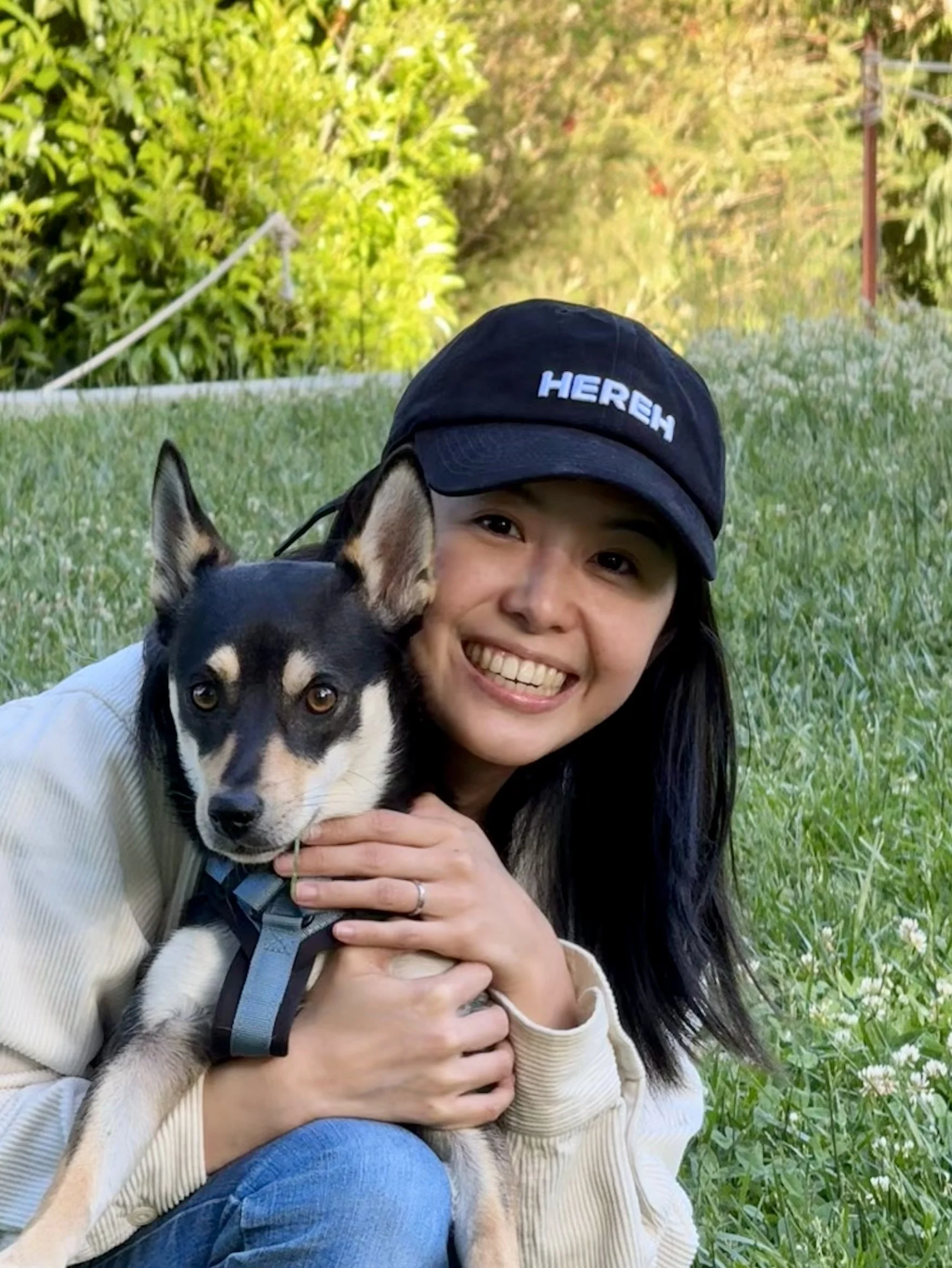
About the author | Originally from Taiwan, Sherry Chuang (C’25) moved to the United States in 2015 for her graduate studies in Computer Science. After a nine-year career as a software engineer in Big Tech, she followed her passion for human flourishing and graduated from the Master of Applied Positive Psychology program in 2025 (a proud member of MAPP 20).
For Sherry, “Relationship” is more than just a pillar of PERMA; it is her guiding light. Having experienced how deep connections foster resilience during life’s challenges, she is now on a mission to use technology as a force for unity rather than division. As the founder of LumiLand, she is developing a game centered around the character "Lumi"—a name that reflects her conviction that love and meaningful bonds have the power to illuminate the human experience.
Sherry currently lives in the Bay Area, California. With her husband, Brandon, and a handsome Chihuahua mix, Rowan.